
ADRC Staff
ADRC Staff

Elizabeth Fauth
Professor | Director, Alzheimer Disease and Dementia Research Center
Dr. Fauth studies stress related to dementia caregiving, and assesses caregiver interventions, most recently an online self-guided ACT intervention. She also examines ways to support quality of life for persons living with dementia.

Anna Sadler
PR Specialist & Program Coordinator
Alzheimer's Disease & Dementia Research Center
Anna is the Public Relations Specialist and Program Coordinator for the Alzheimer's Disease and Dementia Research Center. Anna writes stories about the research the center is doing and assists with overall brand and PR strategy.

Lydia McCullough
Research Registry Coordinator
Alzheimer's Disease and Dementia Research Center
Lydia is the Research Registry Coordinator for the Alzheimer's Disease and Dementia Research Center. Reina recruits participants for the various research studies -- current and future -- conducted in association with the ADRC.
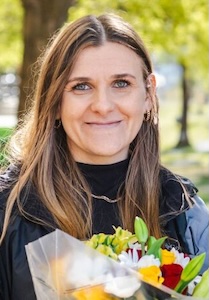
Allison Hancock
Postdoctoral Fellow
Alzheimer's Disease & Dementia Research Center
ADRC Affiliates
USU
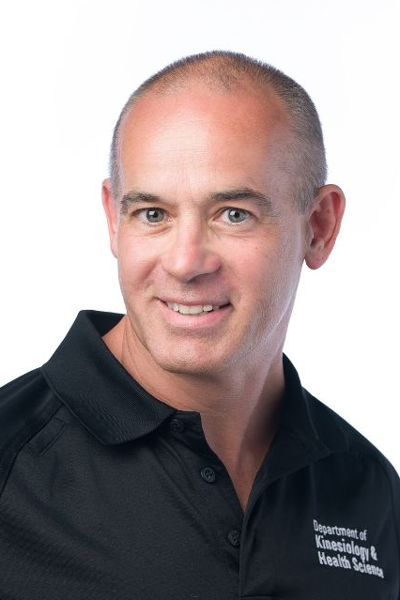
David Bolton
Associate Professor
Kinesiology and Health Science
Dr. Bolton’s research uses high-density EEG during cognitively demanding gait and balance tasks to identify brain activity and response inhibition mechanisms underlying mobility impairment and fall risk. This work aims to develop sensitive tools for early detection of cognitive decline and Alzheimer’s risk while improving understanding of the neural processes connecting gait and cognition.

Stephanie Borrie
Professor | Emma Eccles Jones Dean’s Scholar | Speech-Language Pathology | Associate Dean for Research
Dr. Borrie's research focuses on improving communication for people with neurological speech disorders.

Catalin V. Buhusi
Professor - Neuroscience Program & Brain and Cognition Specialization
Dr. Buhusi is studying disruptions in sleep cycles in people living with Alzheimer’s disease using mice that model Alzheimer’s and cognitive decline.
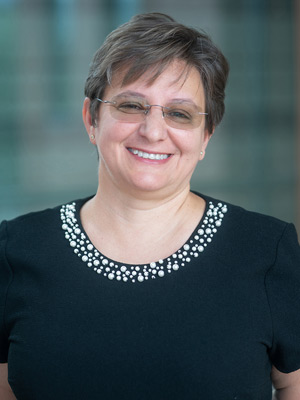
Mona C. Buhusi
Associate Professor - Neuroscience Program
Dr. Buhusi is studying ways cells communicate in the brain and how this communication is altered in Alzheimer's disease and normal aging.
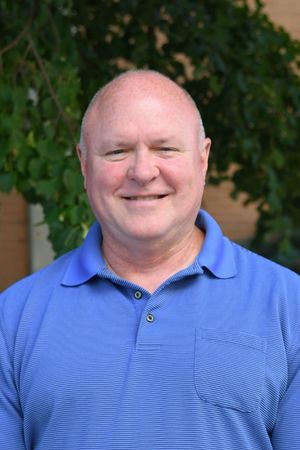
Jon Carey
Senior Lecturer
Kinesiology and Health Science
Jon’s work centers on exercise science, strength and conditioning, and health-focused fitness education. With a background in both industry and academia, he teaches and mentors students in evidence-based training and performance principles. His goal is to promote lifelong health and physical performance through applied instruction and professional engagement in the field of strength and conditioning.

Cheng-Wei Tom Chang
Professor
Organic Chemistry
Dr. Chang’s interdisciplinary research integrates chemistry, biology, and microbiology to investigate the therapeutic potential of naturally derived compounds. He studies the anti-inflammatory and antioxidant effects of mesobiliverdin, a compound isolated from microalgae. In collaboration with colleagues at Utah State University, his work explores its potential as a preventive or therapeutic strategy for Alzheimer’s disease and related dementias.

Kimberly Clevenger
Assistant Professor
Kinesiology and Health Science
Dr. Clevenger is an assistant professor with a background in exercise physiology. Her research interests are in the promotion and measurement of physical activity. Currently, she is using secondary data analysis to understand the patterns of 24-hour movement behaviors (physical activity, sleep, sedentary behavior) in those with or at risk for Alzheimer’s disease.

Chris Dakin
Associate Professor
Kinesiology and Health Science
Dr. Dakin’s current research focuses on untangling the contribution of different sources of sensory information to the process of movement and movement perception. Other related topics of research have included investigation of the vestibular contribution to locomotor stability and visual orientation perception in Spinocerebellar Ataxia.
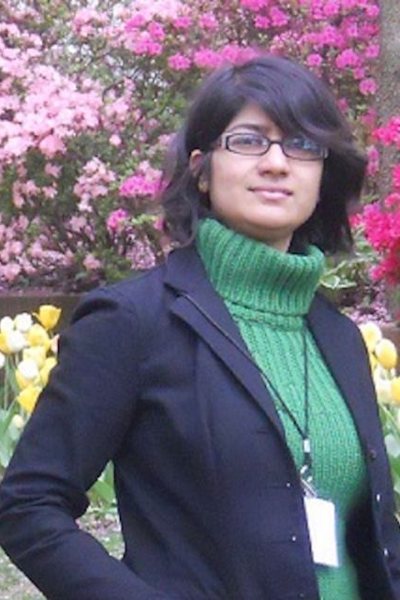
Debasree DasGupta
Associate Professor
Kinesiology and Health Science
Dr. DasGupta's research, at the intersection of health and geography, is focused on examining the role of place (culture) and space (geography) as social determinants of health with a particular focus on the elderly. Her current research is centered on analyzing geographic disparities in population aging (age-dependency, age segregation) and place-based variations in older adult health outcomes (older adult falls, elderly mortality).
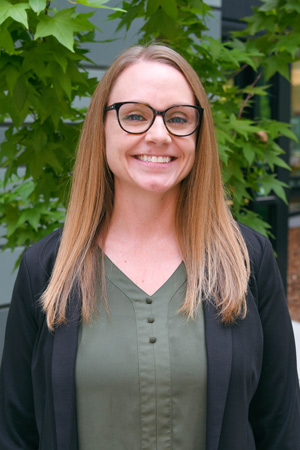
Audrey N. Hoffmann
Assistant Professor
Special Education and Rehabilitation Counseling
Dr. Audrey N. Hoffmann’s research focuses on the assessment and treatment of challenging behavior and the development of effective behavior analytic training and supervision. She is expanding this work to address the growing need for behavior analytic interventions in Alzheimer’s and dementia care. Through developing professional competencies and training pathways, her goal is to strengthen workforce capacity and improve behavioral support for individuals affected by dementia.

Dr. Huang’s research focuses on uncovering the cellular mechanisms that drive brain diseases, including Alzheimer’s disease, as well as processes involved in neuroregeneration. He engineers innovative human brain tissue–chip platforms that model complex neural systems in a controlled laboratory setting. By combining bioengineering and neuroscience, his work aims to advance disease modeling and accelerate the development of targeted therapeutic strategies.

Aaron Hunt
Assistant Professor
Kinesiology and Health Science
Dr. Aaron Hunt is an Assistant Professor of Public Health at Utah State University whose research focuses on substance use, mental health, and maternal and child health. He works to address opioid use disorder in rural communities by expanding prevention, treatment, and recovery services. His work also emphasizes training community health workers and improving access to care, with the goal of reducing stigma and strengthening support for underserved populations.
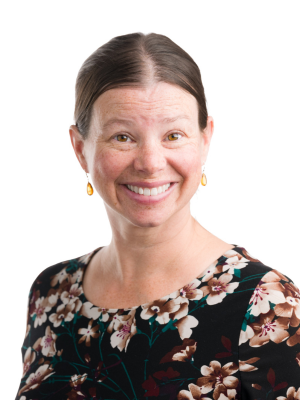
Kerry Jordan
Professor - Brain & Cognition Specialization
Dr. Jordan’s research investigates which cognitive abilities remain intact during typical aging and how these patterns differ in individuals with dementia. She focuses on skills such as numerical estimation and other core cognitive processes to better understand resilience in the aging brain. By identifying abilities that are preserved, her work aims to improve assessment methods and inform strategies that support cognitive functioning in older adults.

Heather is a researcher at Utah State University's Institute for Disability Research, Policy, and Practice. Her research centers on improving mental health and quality of life. Current projects include testing the feasibility and acceptability of an online single session intervention for individuals with a recent dementia diagnosis.
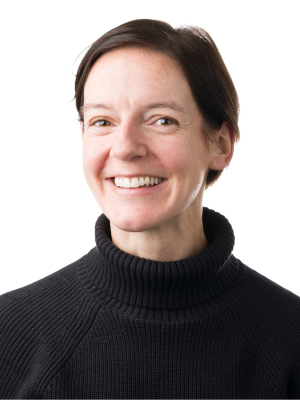
Maria Kleinstaeuber
Associate Professor - Combined Clinical/Counseling Specialization
Dr. Kleinstaeuber’s research and clinical work concentrates on individuals suffering from persistent somatic symptoms (e.g., chronic pain) and symptom-related emotional distress. Her research endeavors cover the evaluation of interventions to help individuals with chronic symptos managing their distress as well as on psychosocial mechanisms of symptom distress.

Michael Levin
Professor - Combined Clinical/Counseling Specialization
Michael Levin, Ph.D. is a professor in the Department of Psychology at Utah State University. His research focuses on developing, evaluating, and disseminating acceptance and commitment therapy (ACT) programs in an online, self-guided format for a wide range of mental health concerns. He co-directs the USU ACT Research Group (https://www.utahact.com/) and oversees the suite of ACT Guide self-help programs available to the public through USU (https://ACTGuide.usu.edu).
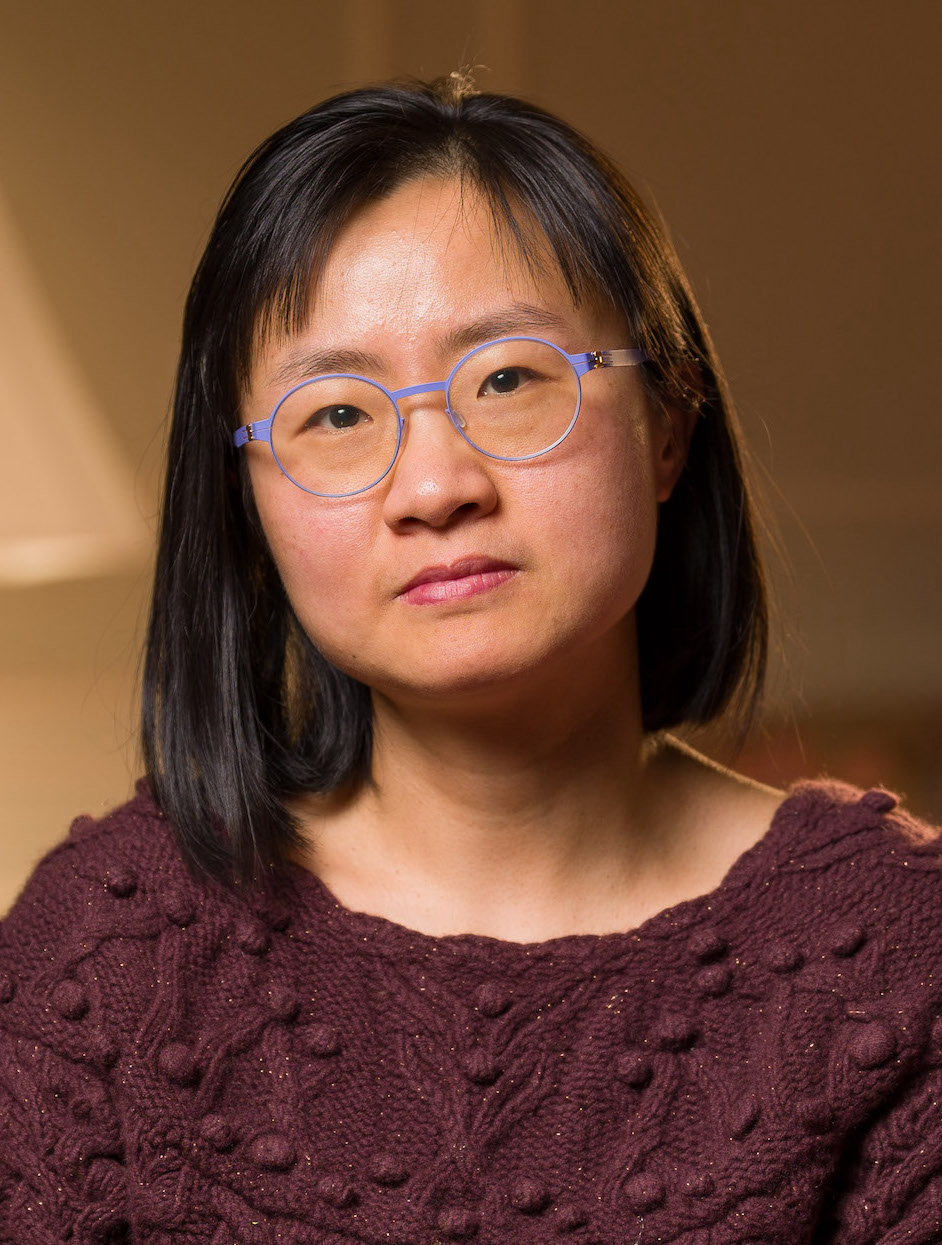
Yin Liu
Associate Professor | Gerontology Certificate Faculty Mentor
Dr. Yin Liu’s research examines the chronic stress experienced by family caregivers of individuals living with dementia. She studies salivary biomarkers to better understand how prolonged stress affects physical health and overall well-being. Her work also develops and evaluates interventions and health behavior strategies designed to reduce stress exposure and improve caregiver health outcomes.

Amy Odum
Professor - Behavior Analysis Specialization
Dr. Amy Odum is a Professor of Psychology whose research examines fundamental behavioral processes, including response persistence, sensitivity to delayed outcomes, conditional discriminations, and environmental influences on drug effects. Her work, funded by the National Institute on Drug Abuse and the National Institute of Mental Health, advances understanding of how behavioral principles relate to substance use and mental health. Through basic and translational research, she aims to clarify the mechanisms that shape behavior and inform evidence-based interventions.
Fazilat Soukhakian
Associate Professor
Photography
Fazilat Soukhakian is an Iranian American artist, photographer, and scholar whose work explores social and political issues through visual storytelling. Drawing on her early career as one of Iran’s few female photojournalists and her lived experiences amid social change, she centers the voices of individuals marginalized by society. Through her photography and scholarship, she aims to document resilience, inspire dialogue, and promote social justice.
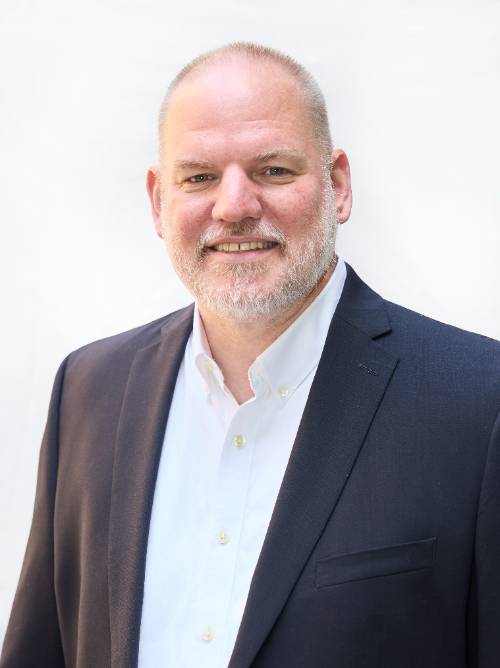
Robert Stawski
Professor | Department Head
Professor Stawski’s research examines the social, psychological, and biological factors that shape mental, physical, and cognitive health across adult development and aging. He specializes in innovative methods—such as daily diary, ecological momentary, and ambulatory assessments—to study individuals within their everyday environments. His work aims to better understand daily influences on health and improve early detection of risks to well-being.

Breanna Studenka
Associate Professor
Kinesiology and Health Science
Dr. Studenka studies motor abilities and is looking at how motor planning develops over the course of the lifespan, concentrating on specific aspects of motor planning and one’s ability to change a motor plan with cognitive decline.

JoAnn Tschanz
Professor | Emma Eccles Jones Endowed Chair of Human Services
JoAnn Tschanz, Ph.D. is a professor of psychology and a clinical neuropsychologist with expertise in risk factors for Alzheimer's disease and related disorders and their clinical expression after onset. She has also studied cognitive decline in late life, and is the USU director of the Cache County Study on Memory in Aging.

Elizabeth Vargis
Associate Professor
Dr. Vargis studies beta-amyloid, which is present in the brains of people Alzheimer's disease. She evaluates the effect of beta-amyloid buildup on cardiac muscle and retinal cell health.

Christopher Warren
Associate Professor - Director of Brain & Cognition Specialization, Neuroscience Program
Dr. Warren’s research examines the role of norepinephrine in regulating reactive balance and stability. He investigates how the effectiveness of this neurotransmitter changes with aging and in age-related disorders. His work aims to better understand the neural mechanisms underlying balance impairments and inform strategies to reduce fall risk and improve mobility in older adults.
Emily Weichart
Assistant Professor - Brain & Cognition Specialization
Psychology
Dr. Emily Weichart’s research explores how aging affects the brain’s ability to manage competing information during memory retrieval and decision-making. Using computational modeling, she examines the underlying attentional control processes that drive age-related changes in cognition. Her work aims to distinguish healthy cognitive aging from pathological decline by identifying measurable markers of change.

Dr. Anhong Zhou is a Professor in the Department of Biological Engineering at Utah State University. His ADRC project aims to develop non-invasive, nanotechnology-based imaging probes to detect cannabinoid receptors (CB1 and CB2) distribution and real time monitoring of CB receptors-ligand interaction using an in vitro model of Alzheimer's Disease.

Dr. Nick Frost
Board Certified Neurologist Specializing in Memory and Cognition
This research focuses on social interaction as a modifiable risk factor for dementia. Because social engagement is often impaired early in Alzheimer’s disease—contributing to increased isolation and withdrawal—the study examines the anatomical and molecular mechanisms underlying these changes. By identifying the biological drivers of social withdrawal, this work aims to clarify its role in Alzheimer’s disease progression and inform potential therapeutic strategies.

Dr. Heys’ lab investigates the synaptic, cellular, and circuit-level mechanisms that support the formation and recall of episodic memory. The team also examines how these processes are disrupted in neurodegenerative diseases such as Alzheimer’s disease. To accomplish this, they develop and apply advanced optical techniques in awake, behaving animal models to record and manipulate neural activity, ranging from individual synapses to large populations of neurons.

JJaewhan Kim is a Professor of Physical Therapy at the University of Utah and Co-Director of the Health Economics Core at the CTSI. As a health economist and statistician, he analyzes large healthcare datasets to study costs, utilization, and outcomes. His research focuses on metabolic and bariatric surgery, including its long-term impact on the risk of Alzheimer’s disease and dementia in individuals with obesity.

Yongseop Kim, Ph.D., an Assistant Professor at the University of Utah, is studying the feasibility of immersive virtual reality cognitive training for older adults with mild cognitive impairment. His research aims to develop enjoyable, non-drug methods to improve thinking skills, particularly spatial awareness, and help at-risk older adults maintain independence. The study also seeks to enhance quality of life for both participants and their families.

Vincent Kopplemans
Research Associate Professor of Psychiatry
University of Utah
Dr. Koppelmans studies the causes and correlates of motor dysfunction in Mild Cognitive Impairment (MCI) and Alzheimer's disease (AD). He applies structural and functional magnetic resonance imaging to identify the neural underpinnings of such deficits. Using supervised machine learning, he determines and validates classification and prediction models for MCI and AD using a wide variety of behavioral and neural motor measures.

Nichole Link, Ph.D., an assistant professor at the University of Utah, is researching how the gene ANKLE2 affects neuron aging and neurodegenerative disease later in life. The purpose of her study is to understand how loss of ANKLE2 worsens neuron function and Alzheimer’s-related Tau protein aggregation. Her team hopes this knowledge will lead to new strategies to reduce Tau aggregation in Alzheimer’s disease.

Dr. Ma is an MRI physicist focused on developing advanced MRI techniques and validating their clinical applications. During his PhD, he created high-resolution diffusion methods using multi-shot EPI and spiral imaging, applying them to organs such as the spinal cord and pelvis. He now develops fast, reliable multi-contrast MRI tools for neurovascular diseases, aiming to translate these advances into improved clinical practice.

Dr. Andres Villu Maricq
Founding Director at the Center for Cell and Genome Science and Professor of Neurobiology at the Huntsman Cancer Institute
Dr. Maricq’s research investigates the molecular mechanisms that regulate synaptic transmission and neuronal communication. Using an interdisciplinary approach, he studies synapse function in C. elegans, focusing on how Wnt-signaling pathways control nicotinic acetylcholine receptor localization. His work aims to understand the molecular machinery underlying synaptic function and neural circuit activity.

Dr. Joey Mattingly
Vice Chair of Research and Associate Professor of Pharmacotherapy
Joey Mattingly, PharmD, MBA, PhD, is Associate Professor and Vice Chair of Research in the Department of Pharmacotherapy at the University of Utah. His research focuses on drug pricing policy, health economics, and patient engagement, informing policymakers at local, state, and federal levels. He also leads pharmacy benefits strategy for the University of Utah Health plan and has advised CMS, testified before Congress, and contributed as a Research Fellow for the NAIC.

Neil Patel, MD
Otolaryngologist | Assistant Professor of Neurotology and Skull Base Surgery
University of Utah
Neil Patel, MD, is an Assistant Professor of Neurotology and Skull Base Surgery within the Division of Otolaryngology – Head and Neck Surgery at the University of Utah. He has a strong interest in the treatment of skull base tumors including vestibular schwannoma (acoustic neuroma), glomus jugulare, and cochlear implantation. With nearly 50 peer-reviewed publications, he has a particular interest in hearing preservation and maximizing quality of life.

Haley Solomon
Assistant Clinical Professor of Psychiatry and Adjunct Assistant Professor of Medicine
University of Utah
Dr. Haley V. Solomon, DO, is studying whether brain MRI patterns can distinguish bipolar disorder from behavioral-variant frontotemporal degeneration. Her research aims to identify imaging differences between these conditions, which often share overlapping mood and behavioral symptoms. The goal is to reduce diagnostic delays, improve treatment planning, and support better long-term patient outcomes.

Dr. Michelle Sorweid, DO, MPH, is studying whether brain MRI patterns can distinguish bipolar disorder from behavioral-variant frontotemporal degeneration. Her research focuses on identifying imaging differences between these conditions, which often share overlapping mood and behavioral symptoms that complicate diagnosis. The goal is to reduce diagnostic delays, improve treatment planning, and support better long-term patient outcomes.

Dr. Caroline Stephens, Ph.D., studies how family structure influences end-of-life care for nursing home residents with dementia. Using a unique Utah dataset linking residents to their families, she examines how family relationships shape care decisions. Her work aims to improve care quality, support family-centered approaches, and inform state policies for people with dementia.

Dr. Rebecca Utz, Ph.D., studies whether Alzheimer’s disease and related dementias contribute to divorce. Her research examines how dementia symptoms and medical financial strain affect marital stability. The goal is to inform support for couples, including relationship interventions and surrogate decision-making, and guide policies that reduce financial pressures leading to “medical divorce.”

Jonathon Hill
Associate Professor of Cell Biology and Physiology
Brigham Young University
The Hill Lab is interested in how genes are regulated during heart formation. The heart begins as a linear tube and then loops to form the ball-like shape of the adult heart. Our lab combines bioinformatics and bench biology to study how gene expression drives this process. Understanding the molecular mechanisms underlying heart development will help improve diagnosis and treatment of congenital heart disease.

Dr. Ridge’s laboratory studies the genetics of Alzheimer’s disease and develops computational methods to analyze complex genomic data. His research focuses on mitochondrial DNA, rare genetic risk factors, and the functional effects of mutations in Alzheimer’s genes, as well as creating algorithms to predict variant impacts and perform haplotype-based analyses. He is also co-director of a bio-specimen repository for the Natives Engaged in Alzheimer’s Research project, leading genetic analyses for a cohort of American Indian, Alaskan Native, Native Hawaiian, and Pacific Islander participants.
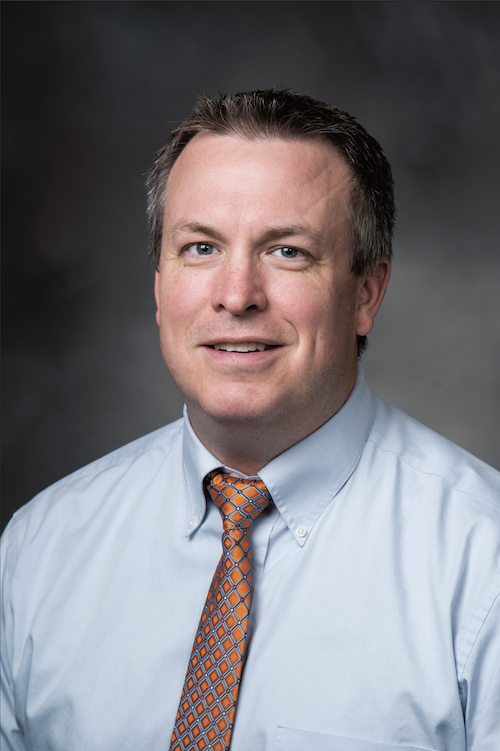
Timothy Jenkins
Associate Professor of Cell Biology and Physiology
Brigham Young University
The Jenkins Lab studies DNA methylation as a diagnostic tool for complex diseases, including infertility, Alzheimer’s, and cancer. The team analyzes cell-free DNA methylation patterns to detect rare cell types and identify disease presence early. Using epigenetics, Dr. Jenkins aims to improve early diagnosis and enhance infertility treatment outcomes for both pregnancy success and offspring health.